

Historic New England’s fifth annual Historic New England Summit, is taking place November 12-14, 2026, at The Cabot in Beverly, Massachusetts, and the new Historic New England Center in Haverhill. The Summit brings together national and regional leaders from the fields of preservation, architecture, urban planning, law and policy, museums, libraries and archives, philanthropy, education, and public art for wide-ranging conversations about the forces reshaping the cultural landscape and the future of communities.
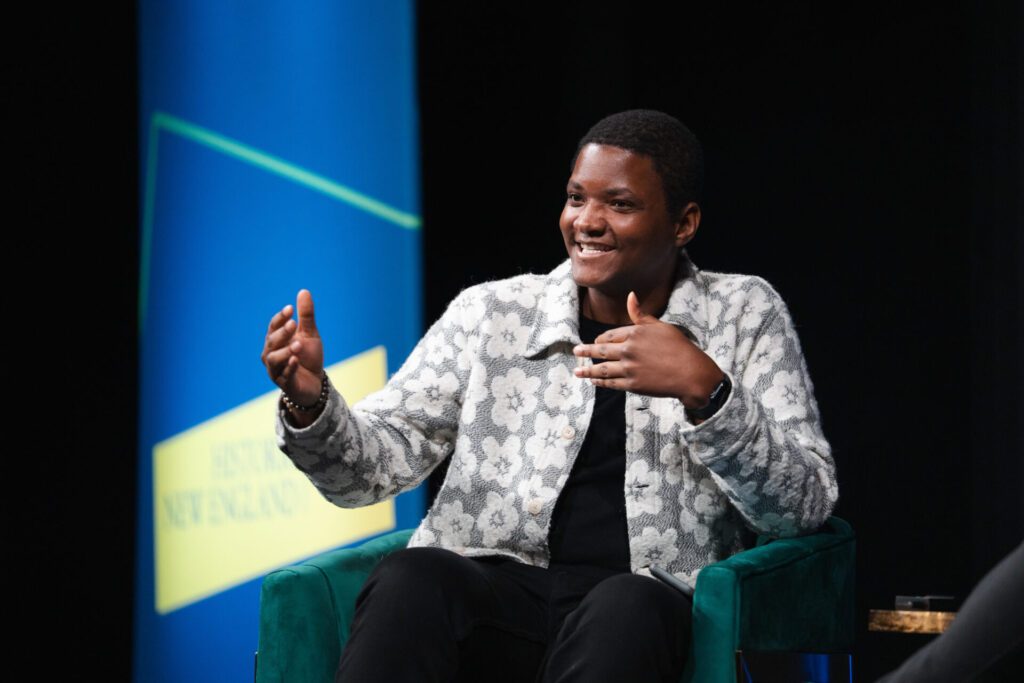


The 2026 Summit will examine some of the most pressing questions facing those fields today, from the integrity of the public record and the changing federal preservation landscape to the role of cultural institutions in public life, the relationship between preservation and contemporary design, and the potential of art and culture to strengthen civic engagement.
“The Summit is an opportunity to look beyond the traditional perceptions of preservation and learn from people who are trying new things in their fields,” said Vin Cipolla, President and CEO of Historic New England. “The challenges facing our communities do not fit neatly into disciplinary categories. By bringing together people with different expertise, experiences, and perspectives, we can have a more productive conversation about how history and preservation can help us build more livable, resilient, and connected communities.”
The Summit will open Thursday, November 12, with a keynote conversation featuring Jorge Zamanillo, Founding Director of the Smithsonian’s National Museum of the American Latino, and Shanita Brackett, Acting Director of the Smithsonian’s National Museum of African American History and Culture. The two will explore how major cultural institutions can build and sustain relationships with the communities they serve, with a focus on community engagement, shared agency, and the ongoing stewardship of these institutions.
The program will continue with “A Fracturing Reality,” a conversation about the increasingly fragile nature of information and the role of libraries, archives, and records management in preserving trustworthy evidence and shared narratives. Moderated by Sonya Durney, Scholarly Communication Librarian at the University of New England, the panel will feature Jennie Rose Halperin, Executive Director of Library Futures, and Molly Brown, Reference and Outreach Archivist at the Northeastern University Archives and Special Collections.
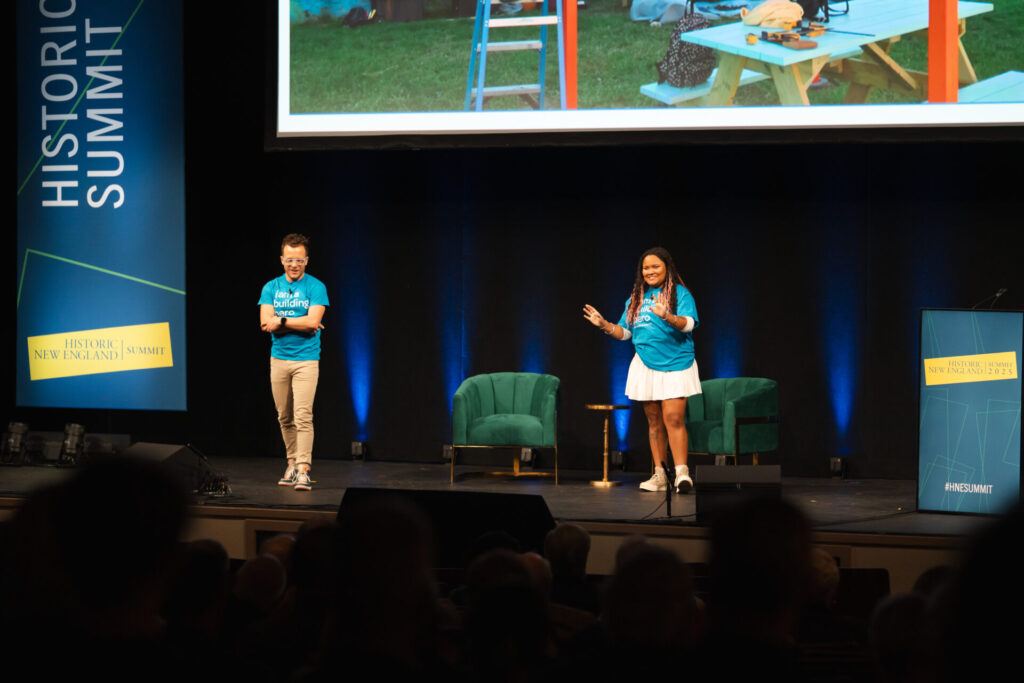
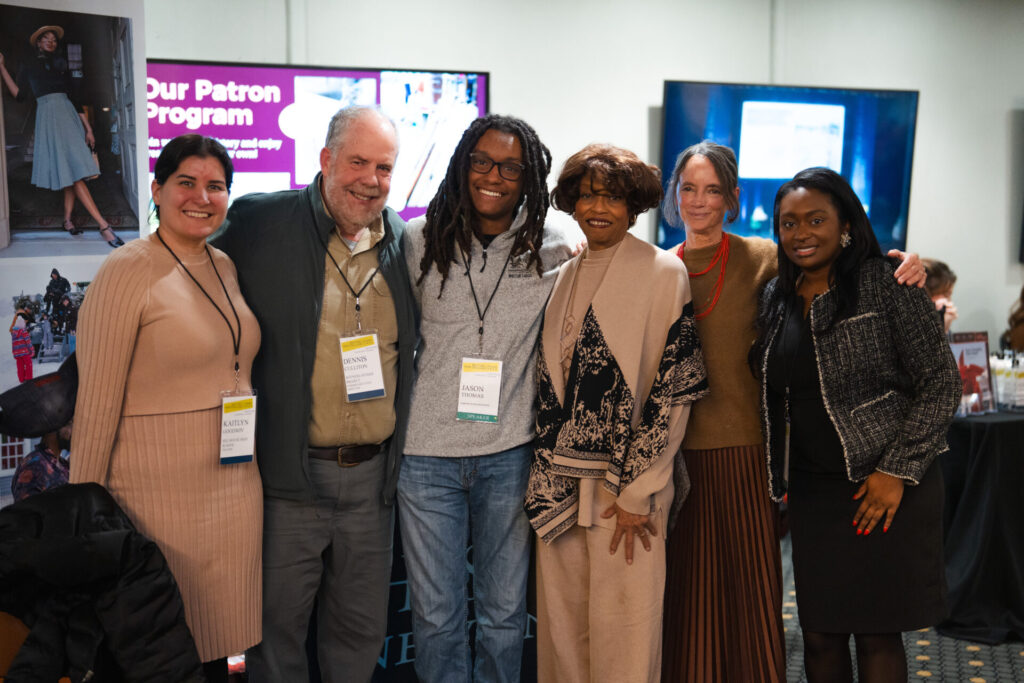
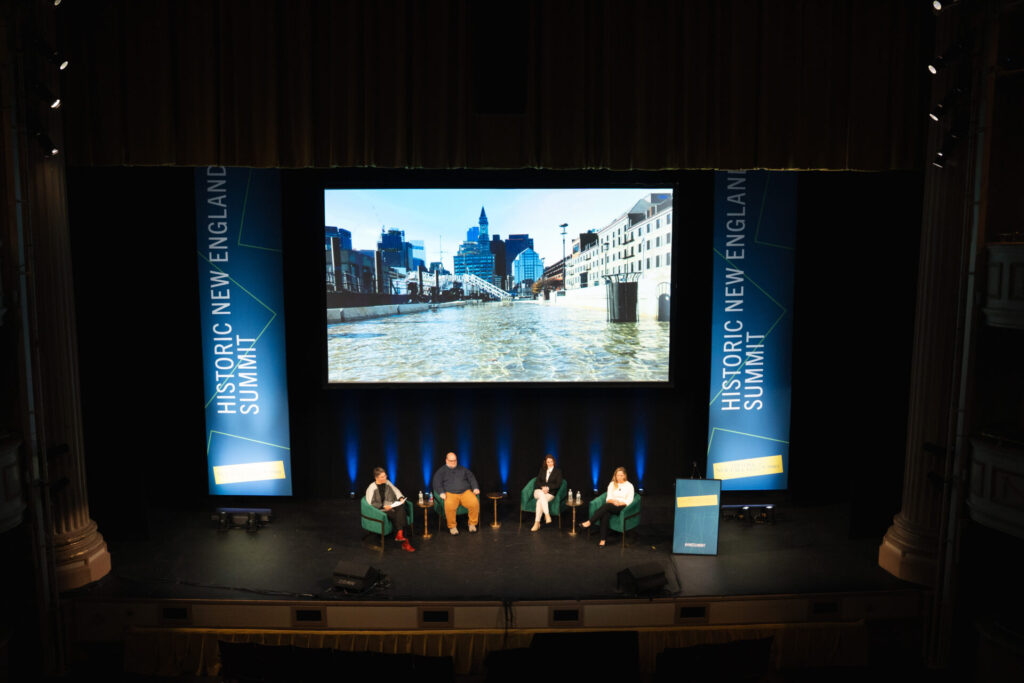
Thursday afternoon will feature “A Bauhaus Bathroom,” a conversation about Historic New England’s international competition to design a new public restroom at Walter Gropius’s iconic Gropius House. Moderated by Cipolla, the session will bring together winning designer Isabel Strauss, Assistant Professor of Architecture at Smith College, and Allen Kolkowitz, Trustee of Historic New England and former designer in the offices of Marcel Breuer & Associates, to consider the enduring influence of Bauhaus principles on contemporary design.
The day will conclude with “Beyond the Mission: What Does the Public Need from Cultural Institutions Now?,” bringing together leaders in museums and cultural organizations to consider how institutions can respond to changing expectations, constrained resources, and evolving definitions of public value. The panel will feature Kerry Sautner, President and CEO of the Eastern State Penitentiary Historic Site, and Eric Shiner, President of Powerhouse Arts, and will be moderated by Nathaniel Sheidley, President and CEO of Revolutionary Spaces.
Other Thursday highlights include a discussion of the contemporary federal preservation landscape; the presentation of Historic New England’s annual awards; and “Paddling Through the Past: Boston’s Swan Boats Celebrate 150 Years,” featuring fourth-generation owner Lyn Paget in conversation about the history and enduring appeal of the iconic Boston tradition.
Friday, November 13, turns to the relationship between preservation, place, and civic life. “New Frontiers in Public History, Place, and Power” will examine how preservation can respond to contemporary challenges including affordability, displacement, climate risk, and social fragmentation, and how historic resources can support civic life, economic opportunity, and community agency. The conversation will feature Toronto-based urban planner and author Jay Pitter and moderator Matt Kiefer, an attorney with Goulston & Storrs and longtime leader in Boston preservation and planning.
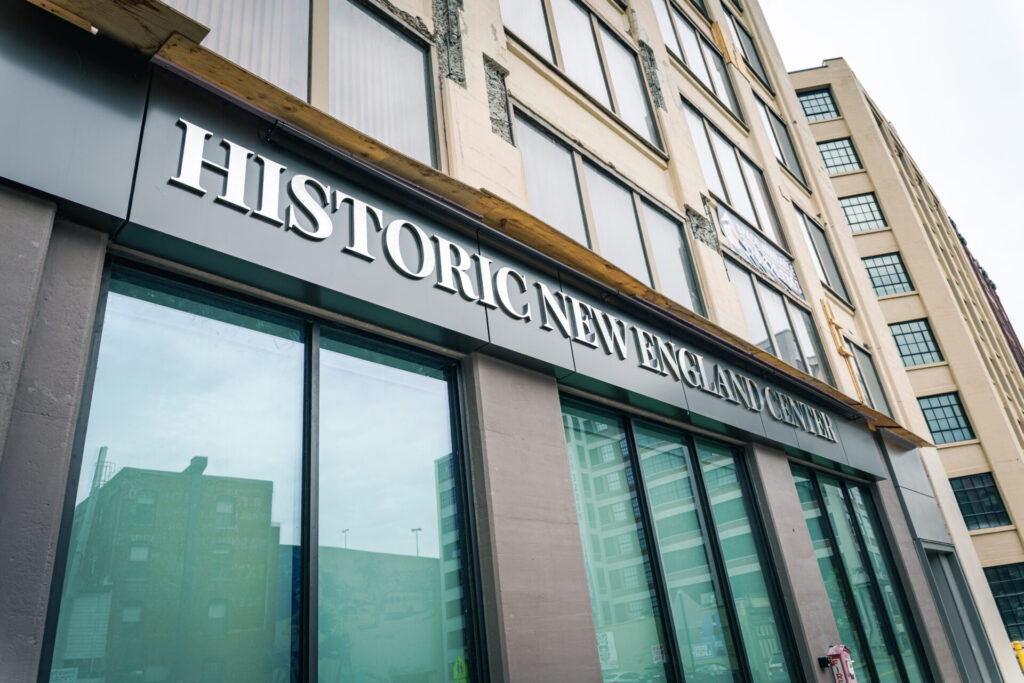

The program will also spotlight the new Historic New England Center, which opened in June 2026 as the first publicly accessible space in Historic New England’s emerging collections and cultural campus. Located in a historic former shoe manufacturing complex in downtown Haverhill, the Center serves as a gateway to Historic New England’s collections while advancing a broader vision for preservation and culture-led urban renewal. The Friday session will explore the Center’s vision and initial public programming through a conversation with inaugural artist-in-residence Ruben Toledo and Michelle Tolini Finamore, fashion and design historian and Exhibition and Programming Consultant at Historic New England.
Additional Friday programming includes the release of The State of Historic and Cultural Landscapes, a new report from the Jenrette Foundation examining the disciplines and practices shaping the field, and “The Civic Stage: Performance, Place, and Public Life,” a conversation exploring how public and performance art can foster civic participation and social change. The conversation will feature artists and educators Ryan Edwards of Masary Studios and Michael Arnold Mages of Northeastern University’s College of Arts, Media, and Design, and will be moderated by artist and University of Vermont Lecturer Jen Berger.
“The Summit is intentionally forward-looking,” said Carissa Demore, Vice President and Chief Policy Director at Historic New England. “We’re interested in people who are not just continuing established models, but are asking what comes next – whether that means rethinking how a museum engages its community, how a city understands its historic resources, how public art can create meaningful participation, or how preservation can respond to the realities communities face today.”

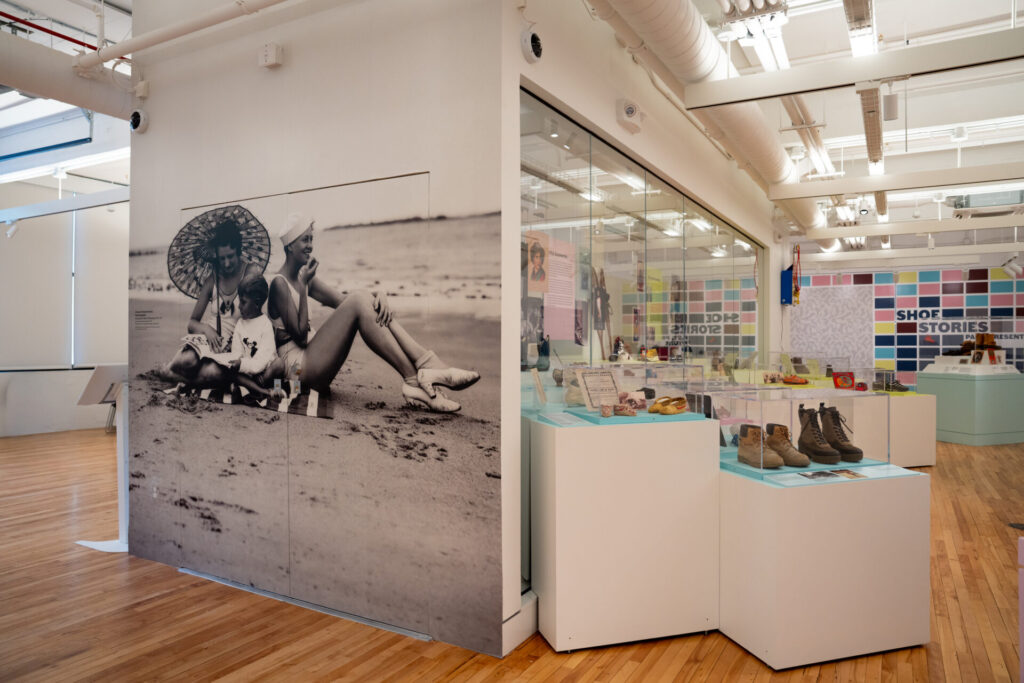
The Summit’s multidisciplinary, inclusive approach continues Saturday, November 14, when attendees will travel to Haverhill for hands-on programming centered on the Historic New England Center and surrounding community. Activities will include an artist workshop, a visit to the nearby Museum of Printing, a community scavenger hunt, and a behind-the-scenes look at Historic New England’s collections and conservation work.
The 2026 Summit also marks the first year that the event will span two principal locations, with the plenary program at The Cabot in Beverly and additional programming at The Historic New England Center. The combination reflects Historic New England’s commitment to connecting conversations about preservation and cultural leadership with the places and communities where that work takes place.
For those who cannot attend in person, livestream access will be available. Additional program details and registration can be found at summit.historicnewengland.org.