

The North Shore is a world of sailboats and seafood, beaches and witches. But a little digging reveals deeper layers of culture and character that seep across city limits and town boundaries like seawater into the sandy shore. Come with us to explore six regions that give the North Shore its nuanced sense of place.

The Marsh
Ipswich, Essex, Rowley

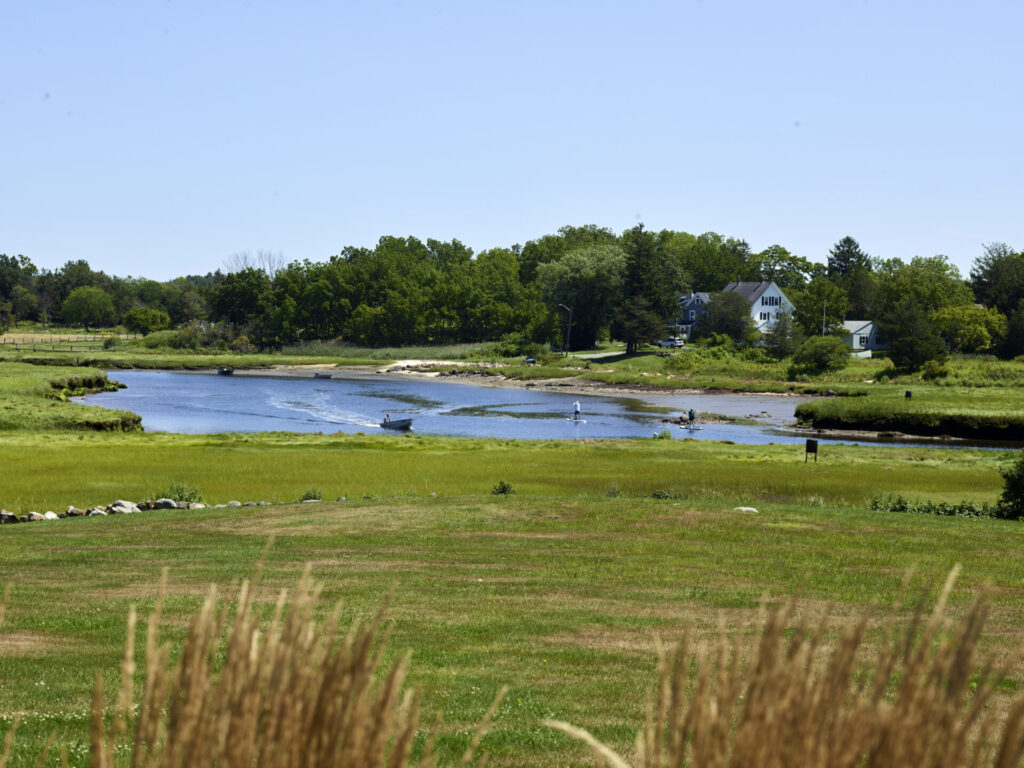
Life has a distinctive rhythm in the marshlands of Ipswich, Essex, and Rowley. “The whole community lives their lives around the tides, and everyone is particularly tuned in to the tidal flow,” says KD Montgomery, executive director of the Essex Shipbuilding Museum & Historical Society in Essex, which sits at the edge of the slow-moving Essex River. From that vantage point, Montgomery watches the seasons shift, from verdant green in the summer to glowing gold in the fall, with clammers digging in the muddy flats all year long. It’s a view that’s remained largely unchanged for generations, from the earliest indigenous people to 18th-century shipbuilders to the wealthy Crane family, who built their storied summer getaway atop Castle Hill in the early 1900s.


“The Crane Estate has been a prominent fixture within the landscape for over 100 years,” says Chris Moore, Crane Estate property director. It still crowns the region today, preserving 2,100 acres of beach and wildlife refuge in addition to the house and gardens. The region’s flavor is also unchanged, both literally and figuratively, thanks to the clam shacks that areas as much a part of the landscape as marsh grass.
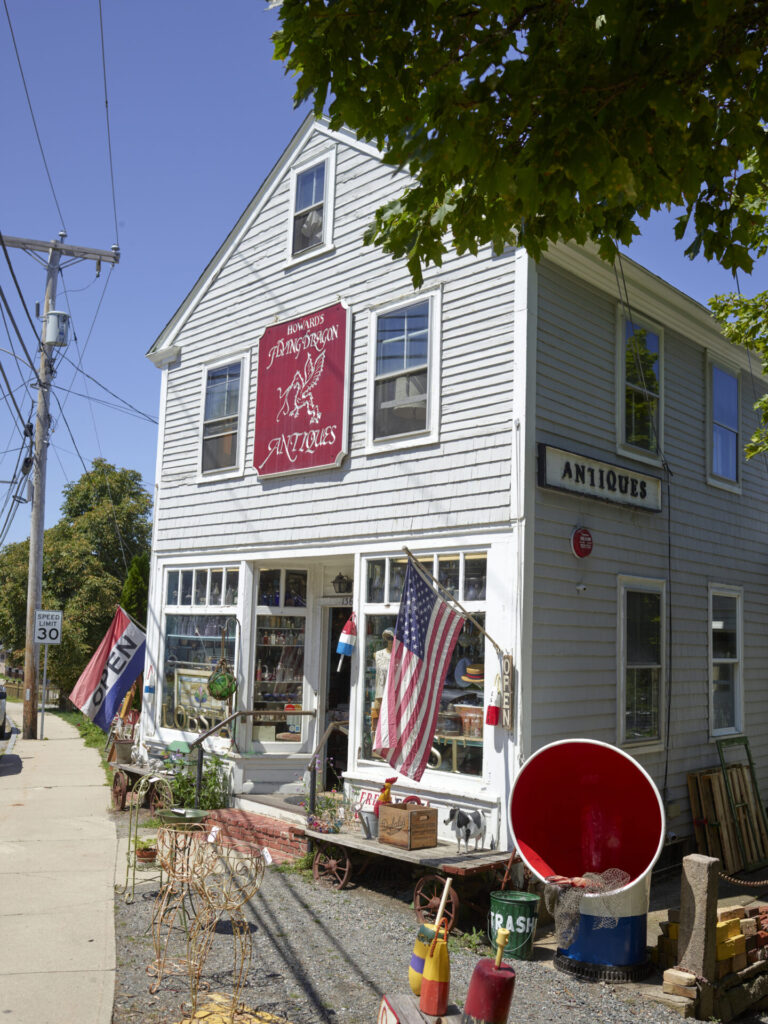
Among them is the 91-year-old Clam Box of Ipswich, with its iconic clam box-shaped roof, red-and-white striped awnings, and line out the door for clams that are dug and shucked right down the street. “If you’ve ever had an Ipswich clam, you can tell,” says owner Johanna Aggelakis. “There’s a sweetness to it.”
The Granite Belt
Rockport, Lanesville, Halibut Point

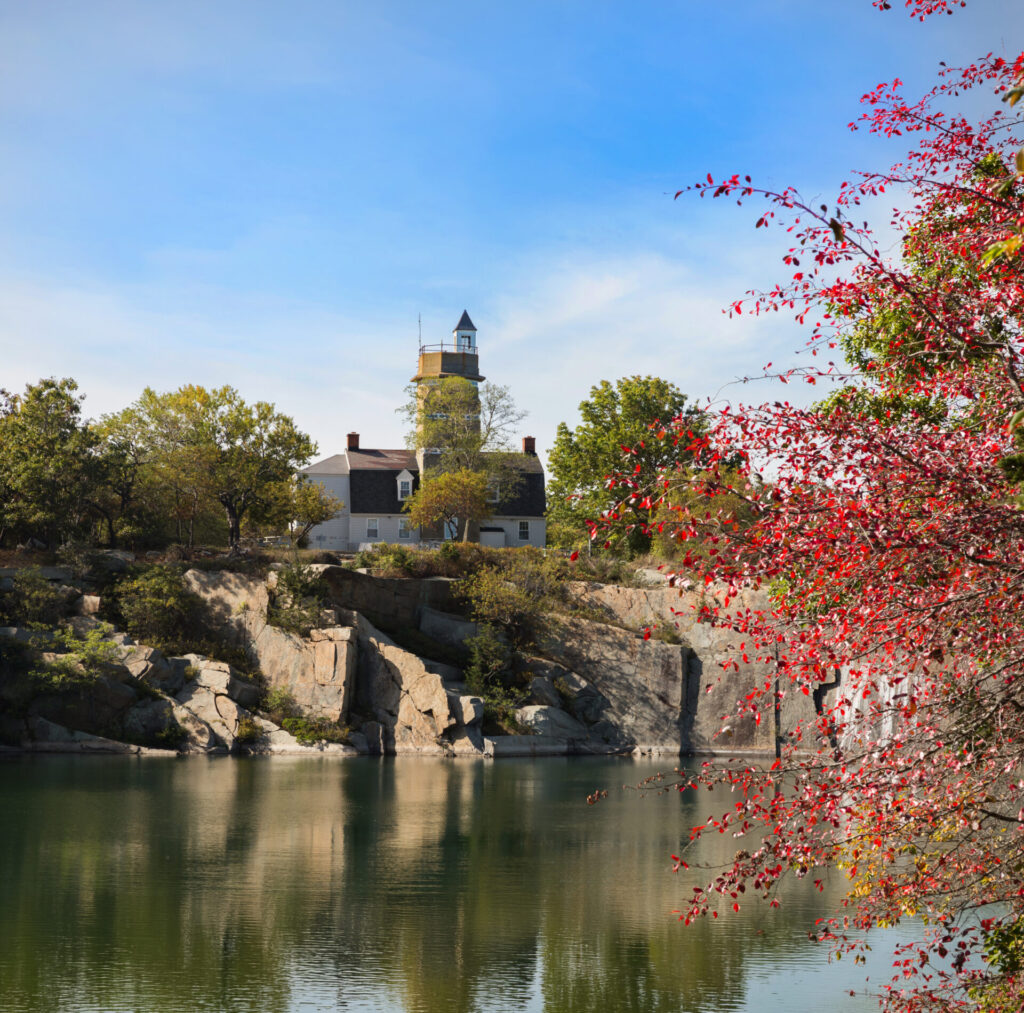
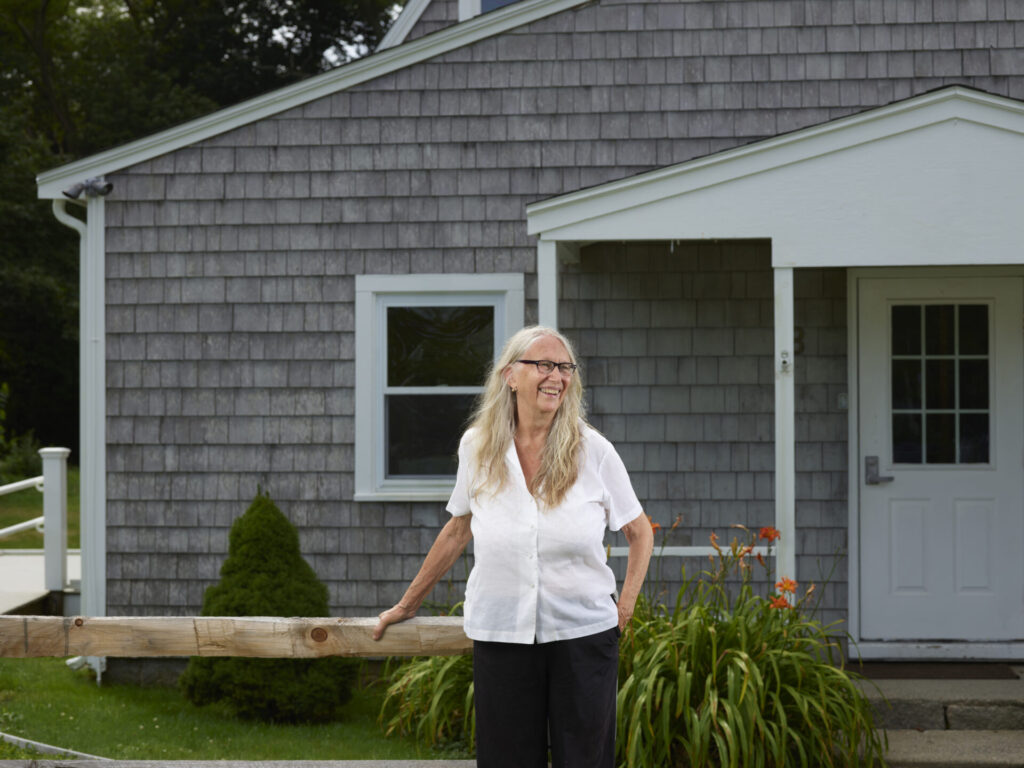
It’s been almost a century since Cape Ann’s last granite quarry ceased operations, but remnants of that industry remain everywhere you look. “It’s a common culture around the industry and the immigrants who came,” says Valerie Nelson, a Lanesville Community Center board member. “Echoes of that past, to this day, are still shaping us to some degree.” You can see those echoes everywhere, from the exhibits at the Cape Ann Museum to the granite outcroppings along the jagged coast. They’re in the illicit, not-exactly-allowed swimming in former quarries that’s an unofficial rite of passage among local kids; in the imposing, granite-hewn buildings across Rockport and Gloucester; and in the Finnish and other immigrants who came to work in the quarries and never left.
For an up-close look, drive out to Gloucester’s Lanesville neighborhood or the nearby Halibut Point State Park, where the scale and scope of the old quarries and sweeping sea are on striking, awesome display.

Horse Country
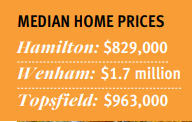
Hamilton, Wenham, Topsfield, Ipswich
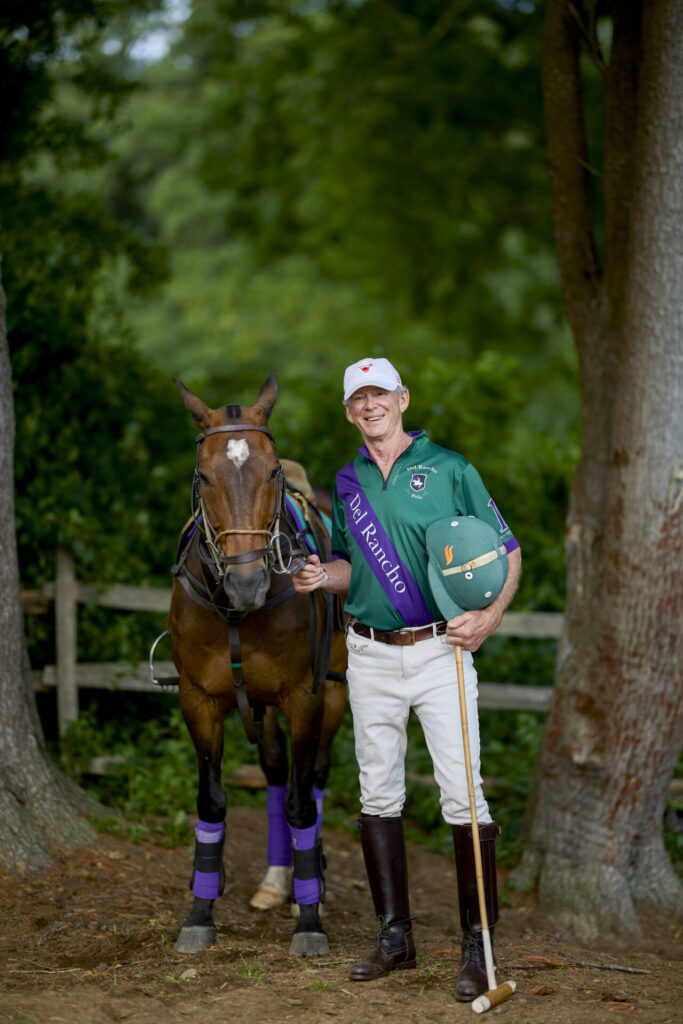
For nearly 140 years, you could mark your calendar by Myopia Polo Club in South Hamilton, where summer Sundays have meant polo games since 1887. “I’ve played polo all over many parts of the country,” says David Strouss, captain of Myopia Polo. “There’s just something very special about going out on Sunday on Gibney Polo Field, the oldest continuous field in the country, with the towering pines.” It all feels like a genteel throwback and for good reason. The region’s equestrian culture goes back centuries, to the Appleton family who established their Ipswich farm in 1638 and managed it for nine generations before gifting it to The Trustees of Reservations in 1998. “As Appleton Farms turned more into a gentleman’s farm through the course of the 19th century, there was a lot more equestrian use,” says Ellie Harbeck, property director for Appleton Farms.
“The Appletons had a fleet of carriages and horses, and the trails there were designed specifically for that recreational use.” Over the years, equestrian culture grew around Appleton Farms, including Myopia Polo Club, Myopia Hunt Club, and dozens of farms and stables that continue to operate in Hamilton, Wenham, Topsfield, and Ipswich.

Today, visitors can still see horses and carriages meandering through the trails at Appleton Farms, cheer on polo matches, and even watch the annual Myopia Thanksgiving Day hunt. “If you drive around, especially on the back roads, and see some of these horse farms, some of these historical homes, it’s like no other place,” Strouss says. “It’s very special … and it certainly is the heart of horse country.”
The Uplands
Andover, North Andover
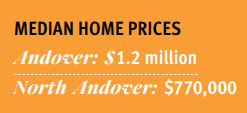
To get to the top on the North Shore, you need to hike. More specifically, you need to hike to the crest of Holt Hill in Andover’s Ward Reservation, the highest point in Essex County. After the climb to the 420-foot summit, you’ll emerge from the woods onto a clearing where the Boston skyline rises in the distance and a compass-like arrangement of enormous rocks, known as the “Solstice Stones,” mark the sunset on the longest and shortest days of the year. Such a hike might seem unexpected in Andover, with its active downtown, industrial past, location on the commuter rail, busy highways, and tightly packed neighborhoods. But Andover is also home to thousands of acres of conservation land managed by several organizations, including the town itself.

“We hear so often from people who move to the town for the schools and the downtown and then just absolutely fall in love with the fact that there’s so much open space,” says Annie Gilbert, president of The Andover Village Improvement Society, one of the oldest land conservation organizations in the country. “It’s really a gift, and we’ve received so much support from people in the community who recognize the value and the gift of having this kind of open space.”
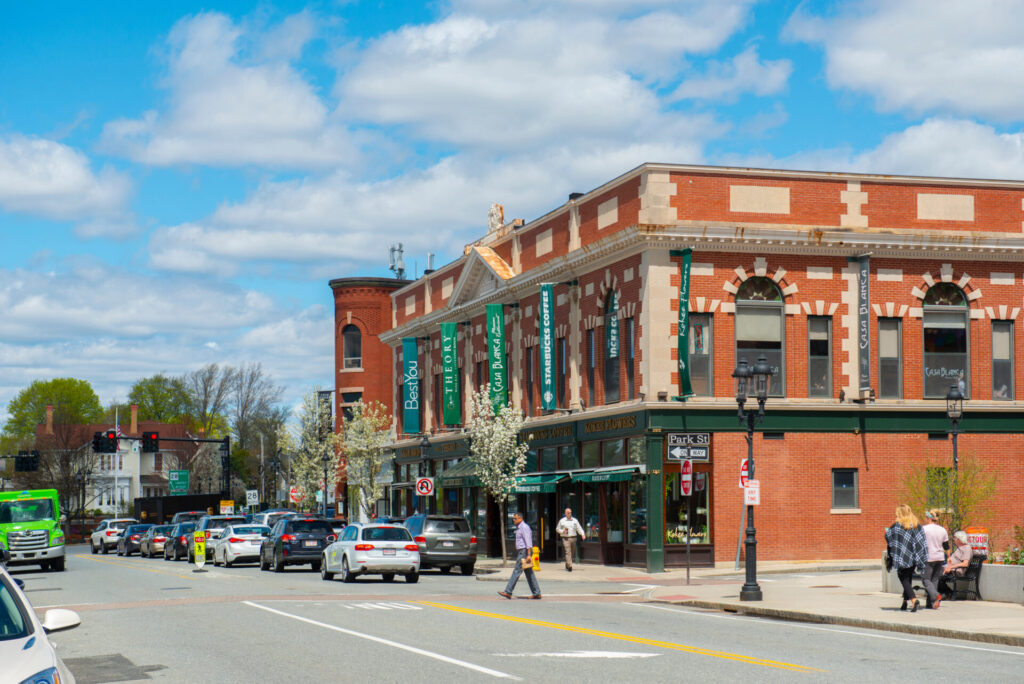
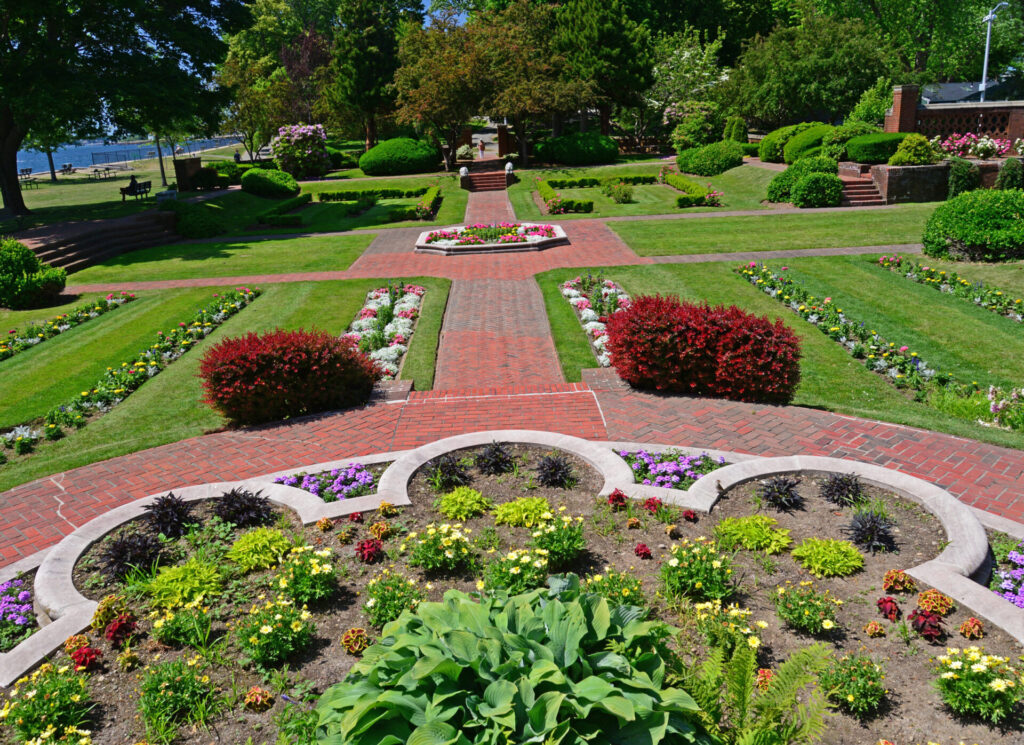
It’s part of a long history of conservation in Andover and North Andover (which boasts its own impressive summit, the 305-foot Weir Hill) both by powerful people like Helen Stevens Coolidge, who lived at the Stevens-Coolidge House & Gardens, and everyday citizens who continue to preserve the land. “It has allowed those in Andover and North Andover to really hold near and dear to what they value,” says Cindy Brockway, senior managing director for cultural resources at The Trustees of Reservations.
The Neck
Bearskin Neck, Rockport

Jutting into the sea at Rockport Harbor, Bearskin Neck feels both like its own little world and a microcosm of the entire North Shore, with the churning ocean, iconic fishing industry, art and artists, festivals and history, and even a little bit of magic, all crammed onto a narrow, rocky spit of land. It’s the version of the North Shore that lives in our collective imagination, a place made for summertime strolling, with very few cars, quirky shops, cottagey-looking storefronts, and nary a corporate business in sight. Instead, there’s the Floating Lotus, Joe’s Fresh Fish Prints, The Pewter Shop, Rockport Candle Company, My Place By the Sea restaurant, and so many other unique small businesses. “It’s so picturesque around here.

Every corner that you turn, there’s something beautiful,” says Valerie Doyon, owner of the Soulstice Shop, which sells handmade art, jewelry, pottery, clothing, and other gifts. There’s also a rhythm to life there that echoes the seasons and the sea, from businesses closing for the winter to the festivals that punctuate the year, like Motif No. 1 Day in the spring and Santa’s arrival by lobster boat at Christmas.

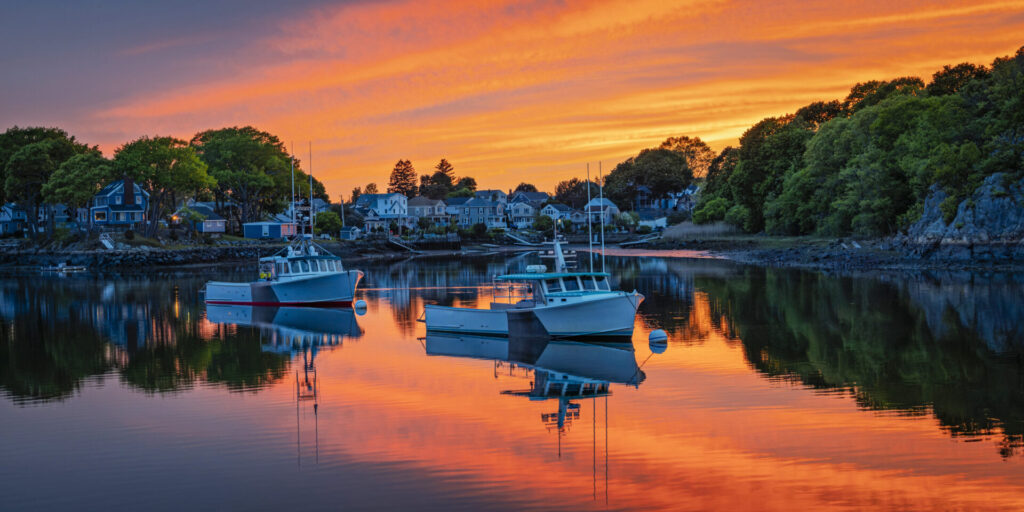
“I think that that’s what’s exciting and important. With so many things in life, I don’t know what to expect,” says Becky Seager, owner of the clothing and gift boutique RKPT WKNDR. “But you come to Bearskin Neck and you kind of know what you’re going to get.”
Salem Sound
Salem, Beverly, beyond

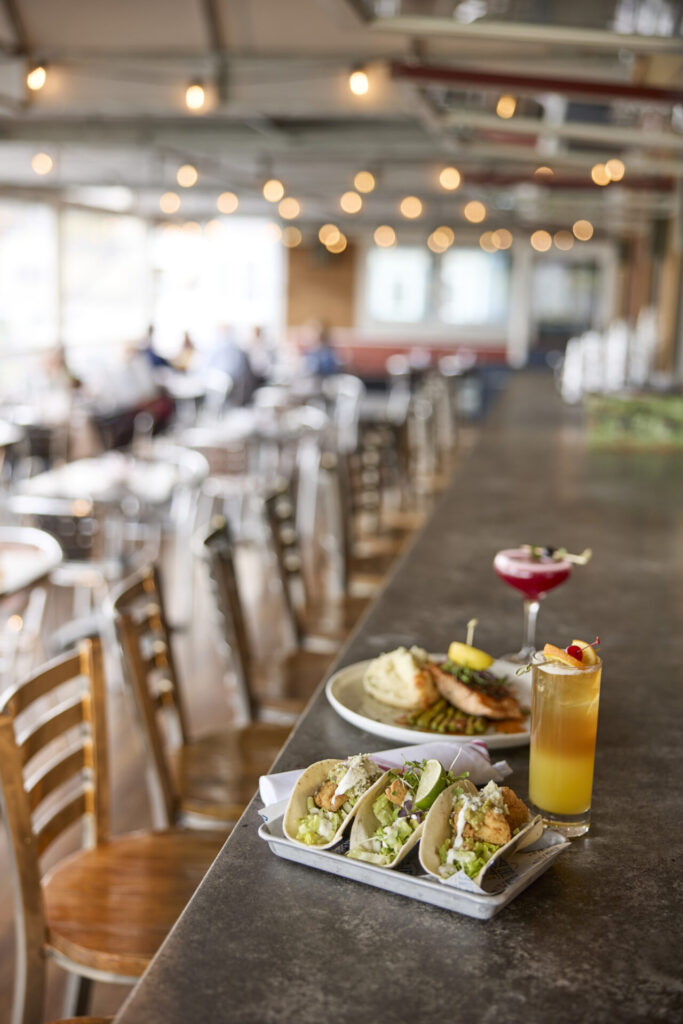
Salem Sound is an incredibly diverse and busy place. “It’s just got so much life going on in it, both people life and ecological life,” says Gitte Venicx, executive director of Salem Sound Coastwatch. That includes ocean habitats like the rocky intertidal regions, salt marshes, eel grass, and tidal rivers, but also the communities of Salem, Marblehead, Manchester-by-the-Sea, Peabody, Dan – vers, and Beverly. In the Beverly Cove neighborhood, for instance, life is shaped by the ocean. “You can get to Salem by kayak faster than by driving,” says Andy Cohen, a longtime Cove resident and president of the Beverly Cove Improvement Association.

That view from the water offers “a whole world you’ve never seen before,” he says, from scuba diving to fishing to admiring the seaside homes. While the communities touching Salem Sound are vastly different and have varying socioeconomics, there’s “access for people to engage with the ocean in every single one,” Venicx says. “Everyone finds a way to make their way to the water.”