

Navigating life with autism spectrum disorder can be challenging, not only for people with autism themselves, but also for their families and caregivers. “We often hear from parents that it’s an isolating experience going through receiving a new diagnosis, navigating services and support, and possibly losing friendships along the way because now they cannot relate to their friends and their other family,” says Shari Krauss, program director The Autism Program at Boston Medical Center.
That’s why since 2006, The Autism Program has offered family support, resources, and education to people affected by autism spectrum disorder across their lifetime, not only at Boston Medical Center but by connecting them to local support centers, including ones on the North Shore.
Autism spectrum disorder truly lives up to its name, affecting people in a broad spectrum of ways. No one experiences it the same way, and its impact on every person is different. Some may require intensive, lifelong support, while others may not even get diagnosed until later in life. Additionally, there is no medical “treatment” for autism. Instead, the treatment consists of education and therapeutic programs.

“There’s no one universal program. There’s no one type of intervention that is the be-all for each person,” says Liz Ferriero, program lead for The Autism Program. “So really understanding the child and the person in front of you and coming up with the right sort of programming and the right sort of learning environment is so crucial.” That’s where The Autism Program comes in, offering support that’s tailored to each family.
“Our team really holds parents’ hands through that journey, from the earliest point of diagnosis as they’re digesting it and making sense of it and applying it to one’s child, and then as they’re going on to navigate that bumpy and complicated road,” Ferriero says. They do that in a number of ways, like offering direct resource support, including help navigating school accommodations and linking families with federal programs; running a behavior clinic; hosting trainings for caregivers and healthcare professionals; and providing a huge repository of resources about everything from the best apps for parents to safety guides and much more.
“It really depends on what is the caregiver seeking. Is it support around educational advocacy or is it just support around having a child with autism?” Krauss says. Crucially, The Autism Program also connects families to local autism support centers that can provide day-to-day programming and support close to home.
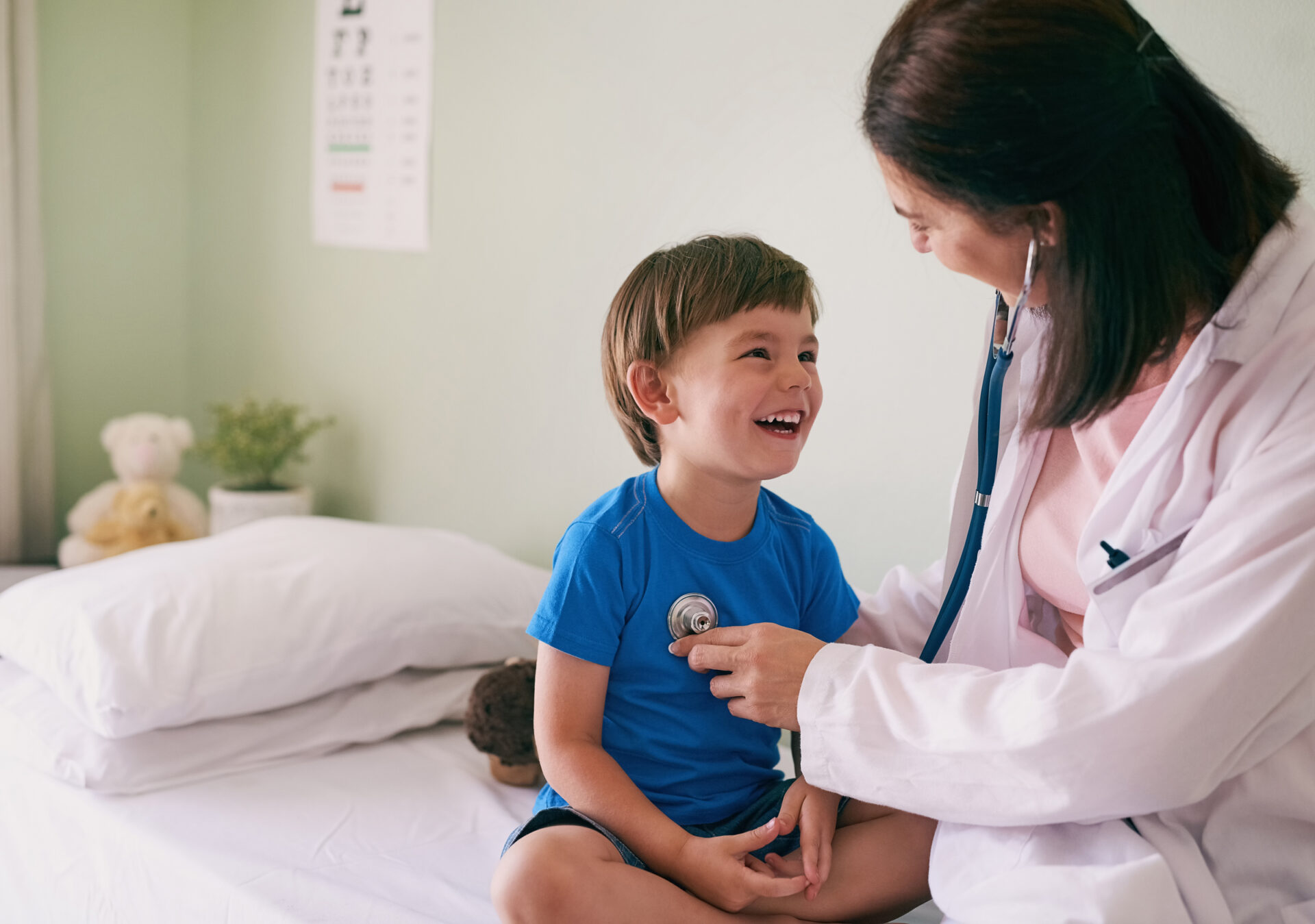
On the North Shore, Krauss points to Northeast Arc, a Danvers-based organization that offers support and programs for people with disabilities and autism. Its autism services are both broad and deep. Among them are specialty applied behavior analysis services; coaching to help people with autism spectrum disorder develop and achieve life goals; and autism support centers, both for families and caregivers and for adults with autism.
Other organizations on the North Shore also offer autism services and programs to kids and families, including Lynn-based Bridgewell, which has a family support center with customized case management, workshops, trainings, and groups. There’s also autism-friendly programming at the North Shore Children’s Museum in Peabody, adaptive classes at Flips R 4 Kids in Wakefield, and adaptive swim classes at local YMCAs.
What these and other resources have in common is that they’re not driven by what people can’t do or their perceived weaknesses, but by their unique talents and strengths. Helping families find and hone those strengths is what The Autism Program is all about. “Individuals with autism are among the best of us,” Krauss says. “All people have potential. All people deserve to live their best lives, and we’re just grateful to be a part of that experience for our families.”