
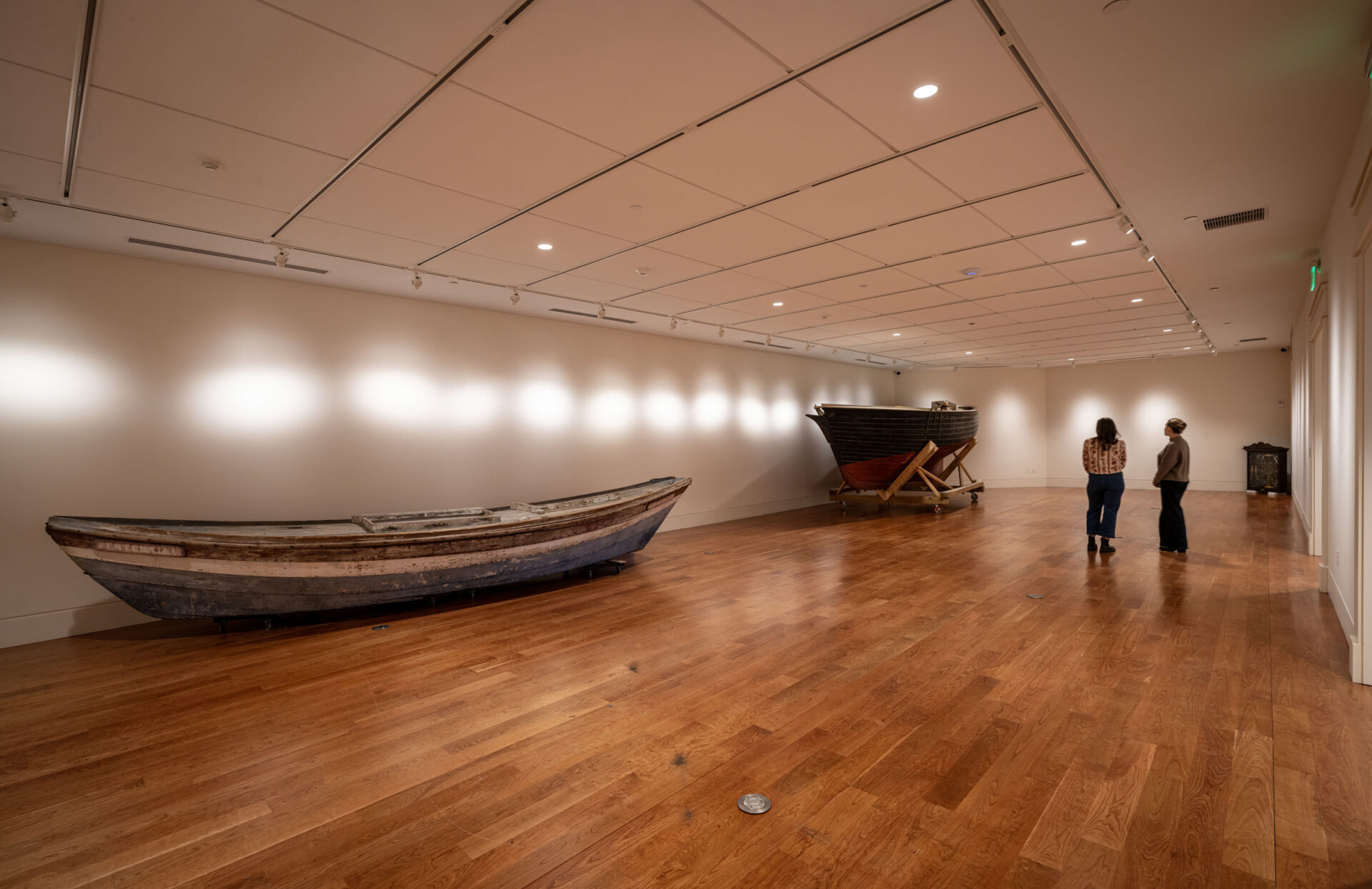
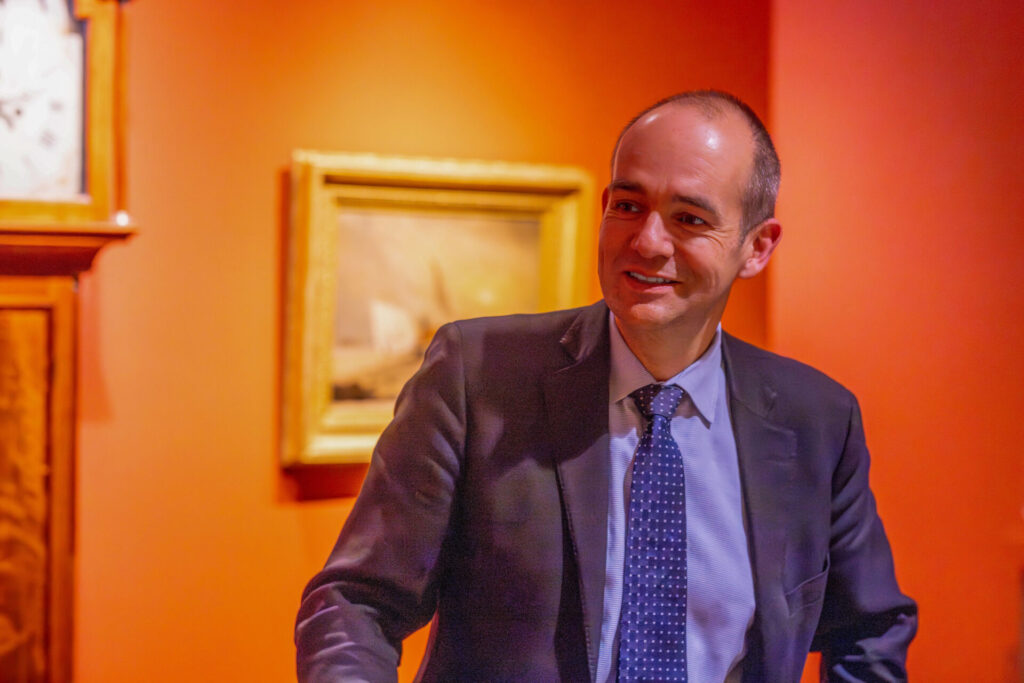
On June 30, the doors of the Cape Ann Museum’s main campus in downtown Gloucester will open again for the first time since the fall of 2024. Many of the renovations made during this hiatus are subtle or even unseen, but together they add up to a more enriching experience for those who come to explore the art and history of the region, says museum director Oliver Barker. Visitors to the reimagined space will be able to find their way more easily, and make new and exciting connections between art and artifacts. A library exhibit space will encourage exploration of local history archives, and a newly refitted gallery will be dedicated to the works of 20th and 21st-century artists. “A lot has changed in 18 months,” Barker says.

The Cape Ann Museum was founded in 1875 as the Cape Ann Scientific and Literary Association. In the 1920s, the organization bought the historic Capt. Elias Davis house in downtown Gloucester as its headquarters. As its collections of art and artifacts grew, it became necessary to build a gallery attached to the house; another new wing was added in the 1960s. In the 1980s, the museum bought an adjacent building and connected it to the existing facilities. The result of all this evolution was a spacious museum that was occasionally dim and sometimes convoluted for visitors trying to navigate its 17 different levels. Many of the pieces in the museum’s collection could not be displayed in the rear wing of the building because there weren’t appropriate climate control systems in place.
As the museum’s 150th anniversary approached, it launched a campaign aiming to raise $18 million in funding to build the Cape Ann Museum Green satellite campus that opened in 2020, to add to its endowment, and to do extensive renovations on the downtown facility. By the end of the effort, donors had pledged about $23 million. About $9 million was dedicated to the latest renovations. Perhaps the most noteworthy change made during the process was the updating of the climate systems, allowing the whole museum to be a suitable environment for displaying even some of the more delicate items in the collection.
This update has particular impact in the fisheries galleries, where artifacts from Gloucester’s maritime history —wooden dories, tools, model ships—have traditionally been exhibited. Now, the museum will be able to display art evoking the region’s fishing heritage alongside these pieces. For example, a painting by Winslow Homer of a young boy waving to a schooner offshore could create a “wonderful juxtaposition,” Barker says. “Our ability to show industrial artifacts alongside the art they have inspired is really important,” he says. “It’s really going to animate the galleries in ways we haven’t been able to previously.”

On the lower level of the museum, a new archival display gallery aims to engage visitors in the institution’s wide ranging collection of materials related to local history, on topics from the Folly Cove designers to the granite industry. The room will offer up selections from perhaps 30 of the museum’s 120 different collections; visitors who are intrigued and want to delve deeper can move on to the adjacent library. “This is about bringing the collections to life and making them more accessible,” Barker says.
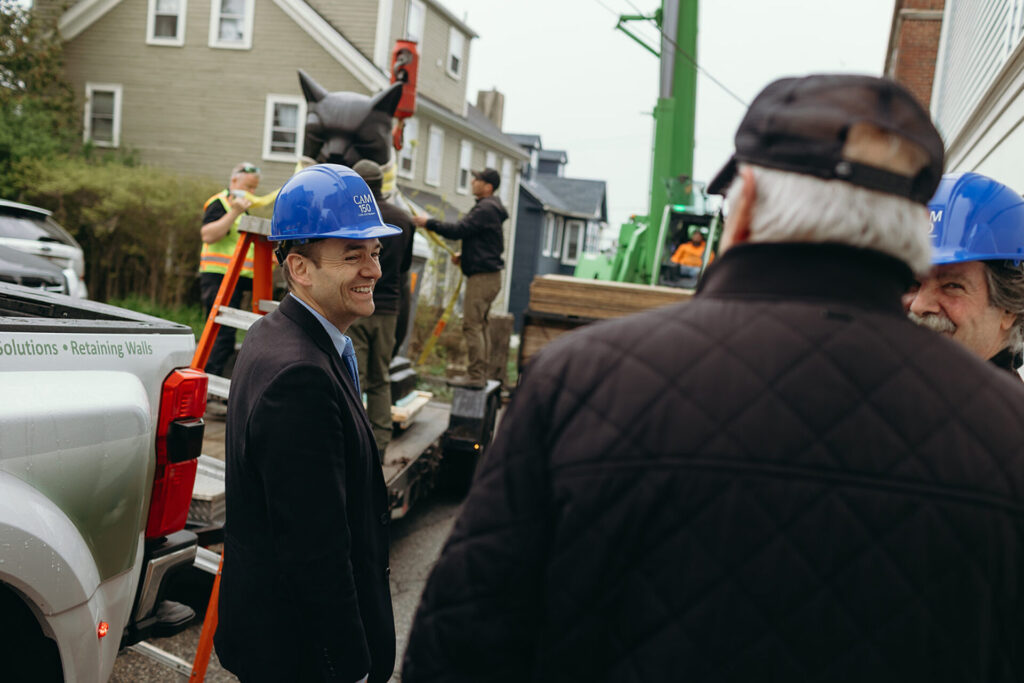
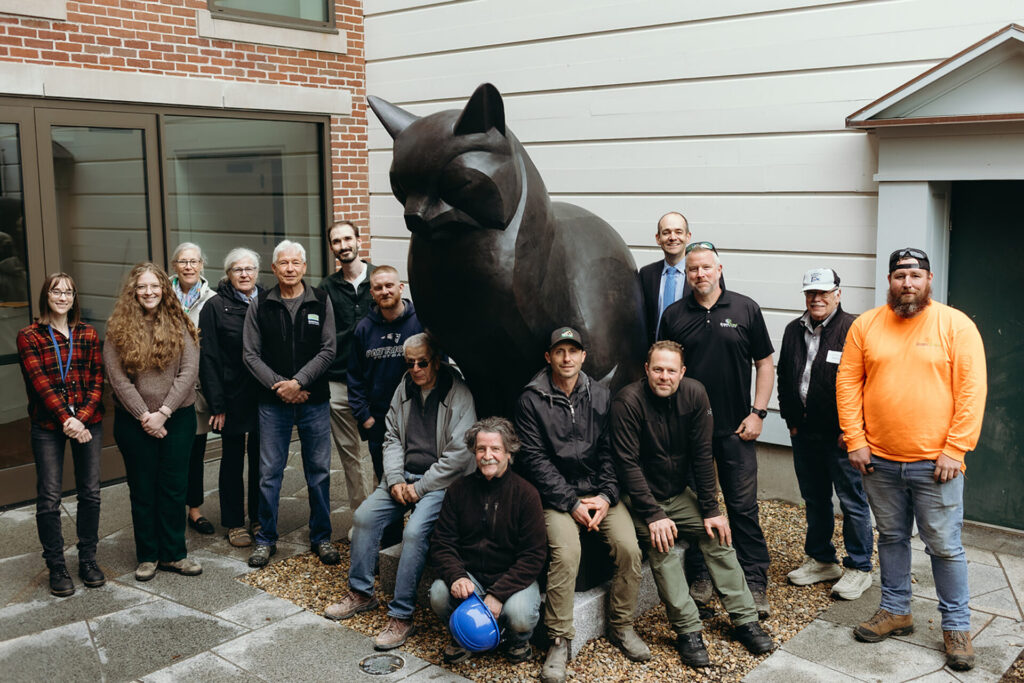
A small garden off the lower level will be home to a new work of art, commissioned by the museum specifically for the space in an effort to highlight the work of female artists. The piece will be a scaled-up copy of a small cat sculpture created by Katharine Lane Weems—a “formidable sculptor” from Manchester, Barker says—that has been in the museum’s collection since 1941.
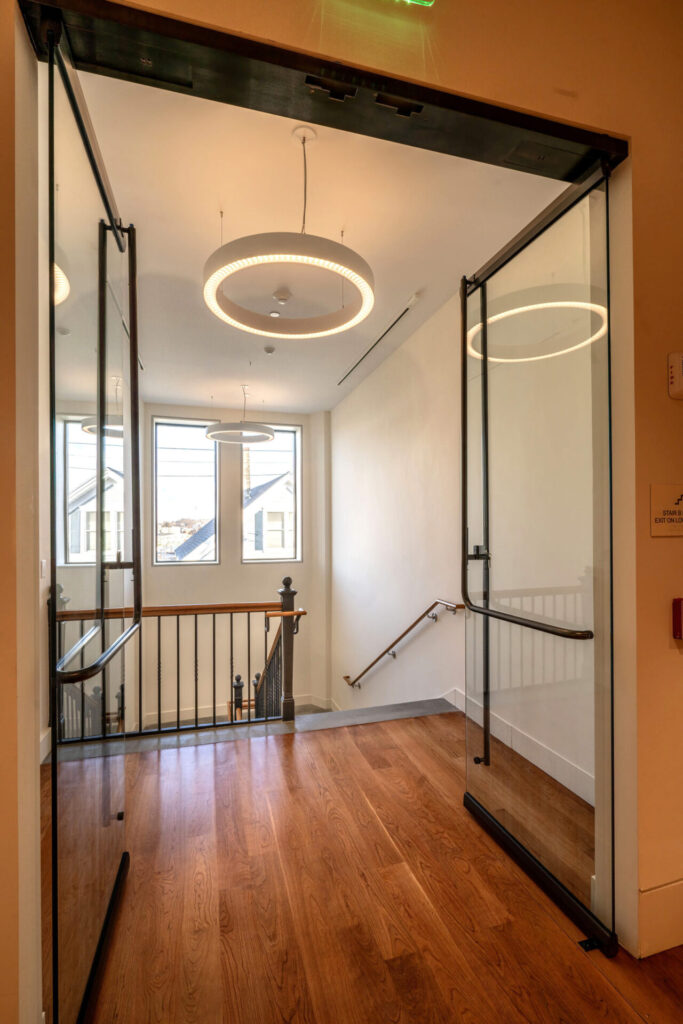
The renovations also opened up previously blocked space. A staircase once only for behind-the-scenes use has been made public, allowing for easier flow from one level to the next; the Gorton’s fisherman sign can be glimpsed through a window in the stairwell. In the studio used for art classes, windows were opened up, allowing natural light to fall into the creative space. The cumulative effect of all these changes, Barker says, is a museum that lives up to its potential to showcase the rich heritage of the region it represents. “What’s really exciting is we have one unified, museum-quality environment.”