
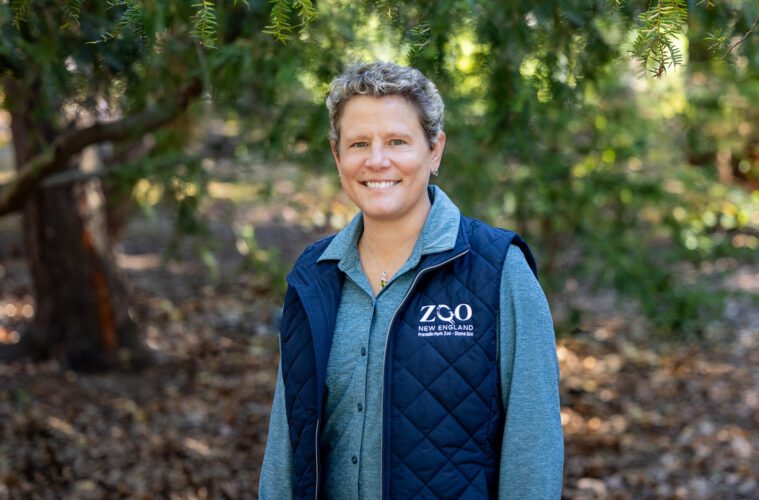
Stephanie Brinley describes her childhood in rural Indiana as “free range.” “My sister and I were always out in the woods, lifting up logs, looking for critters,” she says. “I grew up in an environment that valued the outdoors and valued the natural landscape and the animals in it. That stuck with me my entire career.”
That career has been as vast as the woods she loved to explore. Brinley served in the active-duty Air Force; at the Department of Defense; and at the Smithsonian National Air and Space Museum before making the leap to the Smithsonian’s National Zoo and Conservation Biology Institute, where she was deputy director.
Now, Brinley has taken the leadership reins as the new president and CEO of Zoo New England, which manages and operates the Stone Zoo in Stoneham and Franklin Park Zoo in Boston. There, she’ll work to expand the organization’s reach, further its conservation work, and build on the foundation built by her predecessor, John Linehan, who spent 44 years at Zoo New England, including 23 as president and CEO.
“I can take a lot of the experience and the work that I’ve done at Smithsonian National Zoo and at the Air and Space Museum and apply them here,” she says, pointing to efforts like expanding revenue opportunities, developing creative programming, and prioritizing the visitor experience.
Visions For The Future
For thousands of people across the region, visiting the Stone Zoo and Franklin Park Zoo were central moments of their or their children’s childhoods. “We often hear a lot where folks say, I used to go to the zoo all the time. But then my kids grew up,” Brinley says. “How do we make it appealing for that demographic whose kids have grown up and they have these really incredibly fond memories of coming to the zoo? But how do we make that appealing for them to come now?”
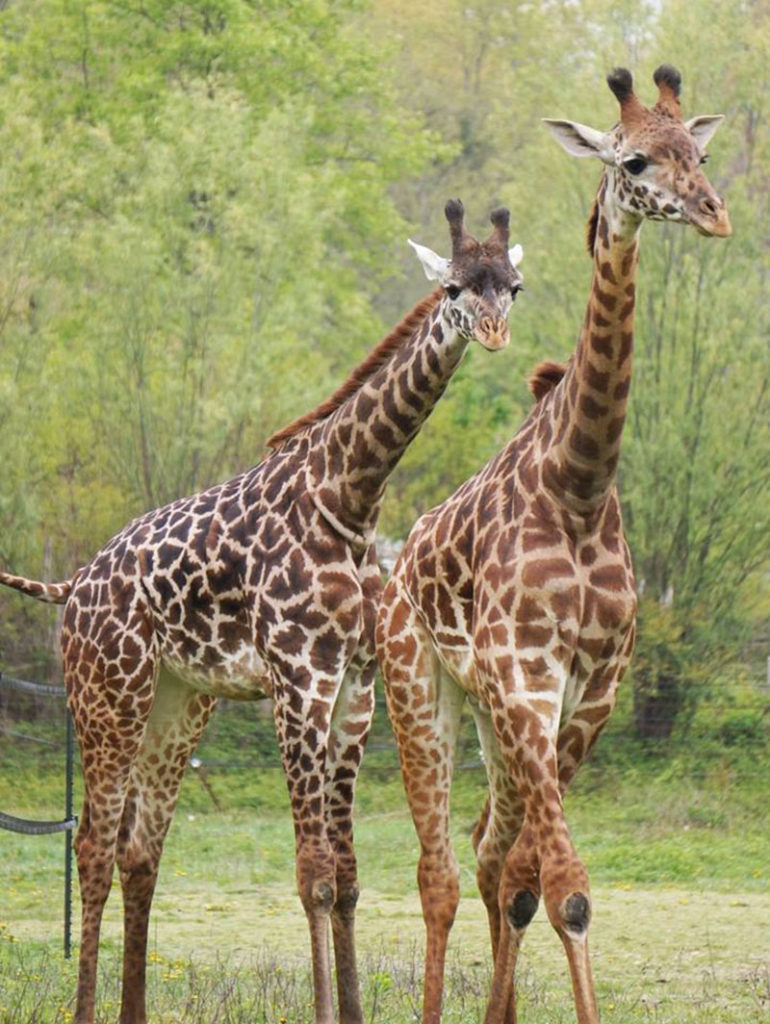
Although she’s still in the early stages of planning her long-term vision and goals during her tenure as CEO, Brinley says part of her focus will be expanding Zoo New England’s demographic reach to teenagers, young adults, and beyond, not only through educational programming, but by working to “clearly embed the conservation story in everything that we do across both zoos. “ We do some amazing things. I’m not sure that everybody really understands all the amazing projects that we have going on, both for local conservation, with turtles and salamanders and frogs, to international conservation,” she says.
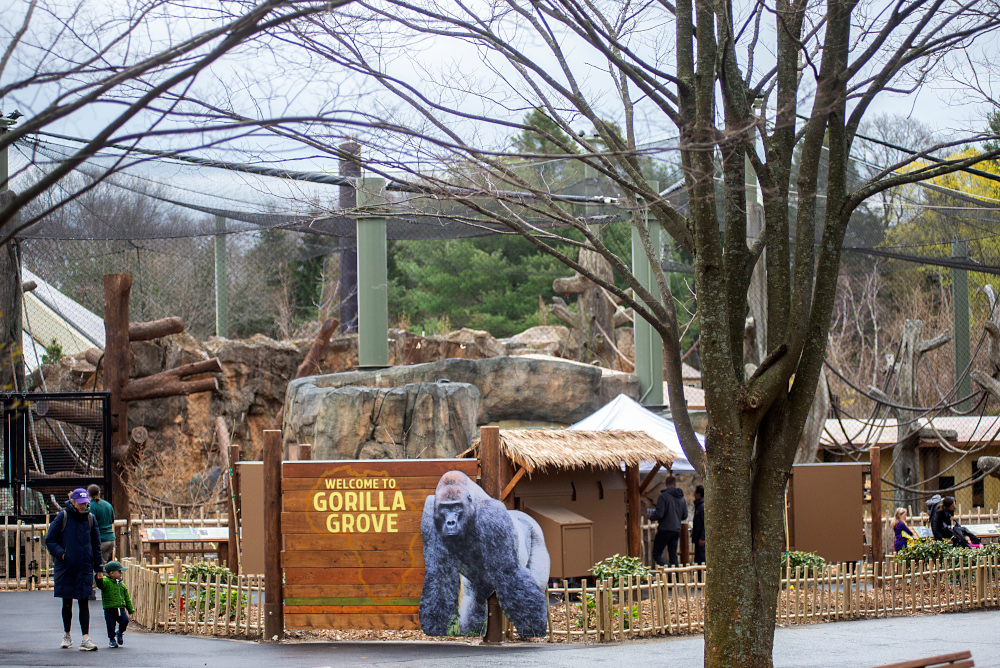
She points to programs like One Health, which aims to improve the conservation status of lemurs and other wildlife in a reserve in Madagascar, while also investing in healthcare, food security, and economic opportunities of the people who live nearby, with the idea that a healthy shared ecosystem can make everyone living in it healthy, too.
Locally, Brinley highlights Zoo New England’s award-winning HATCH turtle conservation program, in which school kids—more than 20,000 so far—raise newborn turtle hatchlings in their classroom over the course of the school year and then release the turtles into the wild during field trips to local conservation areas. The program serves the dual purpose of giving kids hands-on learning about conservation while increasing turtle populations and improving their odds of survival in the wild.
A New Chapter
Brinley has taken the helm as new renovation projects are underway at both zoos. The new African Experience, which is slated to open at Franklin Park Zoo’s main entrance in the spring, will include a state-of-the-art outdoor habitat for African penguins, featuring naturalistic landscapes, underwater viewing, and interactive educational displays. It will also expand the zoo’s African Savanna, featuring ostriches, zebras, and other animals.
“It will tell our conservation effort story with African penguins,” Brinley says. “Part of the display will be a replica of the type of boat that would go out and help return penguins to the wild or help with conservation efforts in the wild. Kids will be able to go onto the boat and experience what it’s like to help save species in the wild.”
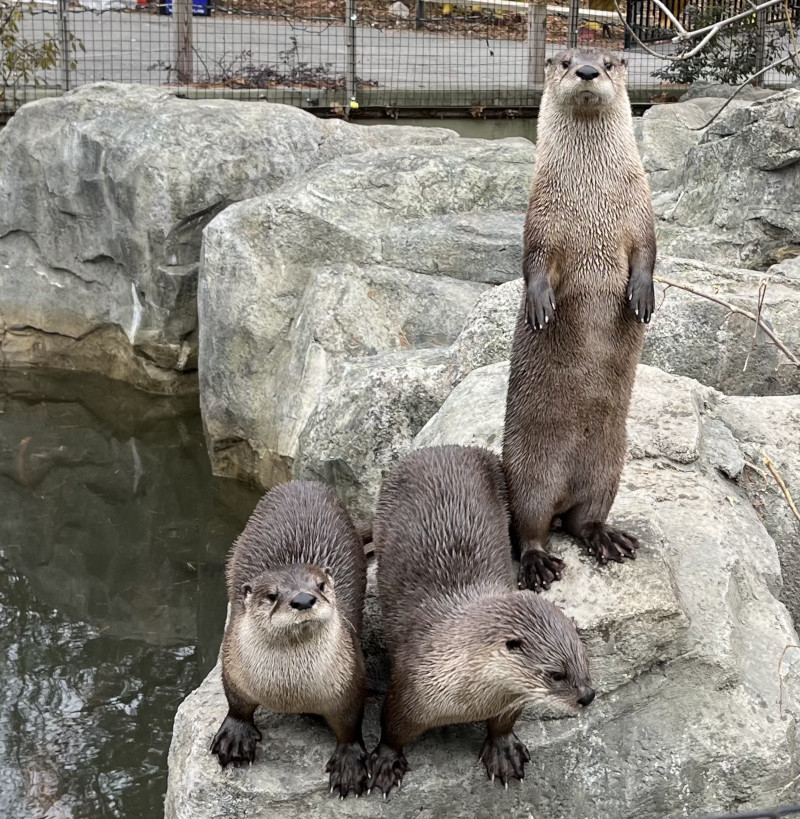
Brinley says she hopes it will “spark that joy” in kids who might be inspired to pursue a career in conservation. “I want them to walk off of that boat and say, wow, I want to do that when I grow up,” she says. Brinley also points to work at the Stone Zoo to update the otter and yak habitats.
It’s all part of a larger effort to not only care for the animals but also to inspire visitors, provide education, and advance conservation efforts, locally and worldwide. “We give them a home and they become ambassadors for their species,” she says. “We hope you walk away saying, what can I do to help save the species in the wild?”